Community storytelling,
place by place.
Kacey Hadick partners with communities around the world — listening first, then using 3D technologies and digital storytelling to help them share their own heritage, in their own words, on their own terms.
Community-Centered Heritage
My work focuses on using digital documentation and storytelling to support communities in protecting, interpreting, and sharing their cultural heritage. I have worked with Indigenous communities, heritage professionals, government agencies, museums, universities, students, and local organizations around the world to document places that are threatened by conflict, climate change, development, and natural deterioration.
I approach this work as a collaborative process. Rather than treating communities simply as sources of information, I work to involve local partners in deciding what should be documented, which stories should be told, and how those stories should be presented. This often includes recording oral histories and interviews, developing educational and immersive experiences, and creating opportunities for community members to contribute their own knowledge and perspectives.
Training and knowledge-sharing are also central to my work. I have developed and managed programs that train students, site managers, archaeologists, and cultural heritage professionals in photogrammetry, LiDAR, 3D documentation, digital storytelling, and heritage monitoring. My goal is not only to complete a documentation project, but to leave partners with the skills, equipment, workflows, and confidence to continue the work independently.
These collaborations have taken me from working with Rapa Nui site stewards at ‘Ōroño, to supporting heritage documentation and training in Ukraine and Bangladesh, to working with Tribal partners and federal land managers in the American Southwest. Across these projects, I am particularly interested in how digital tools can strengthen local stewardship, preserve community knowledge, make heritage more accessible, and create new ways for people to connect with places that matter to them.
Ultimately, I see technology as a means rather than an end. The most meaningful projects are those where documentation, storytelling, and community knowledge come together to create something that remains useful long after the fieldwork is finished.
M.A. World Heritage Management & International Projects for Development, University of Turin & Turin Polytechnic, Italy
B.S. Anthropology (magna cum laude), minor in Spanish, Cal Poly San Luis Obispo
Selected Speaker, Cultural Heritage — U.S. Department of State Speaker Program (2025)
Heritage work is relationships work.
Good documentation isn't a single site visit — it's an ongoing partnership. These are some of the communities, institutions, and places Kacey has built working relationships with, several of them over years and repeat visits.
Hadick
Hover any point to see the relationship behind it.
Four examples of collaborative projects.
Immersive Story Production
Partnering with communities to build online experiences on CyArk's Tapestry platform — work designed to elevate underrepresented histories and give communities a real voice in how their own heritage is presented, from key messages to final cut.
tapestry.cyark.org3D Documentation for Prosecuting Heritage Destruction
For his practicum at American University, Kacey worked with legal and cultural heritage professionals in Ukraine to develop a guidebook for prosecutors — defining best practices for using 3D recording to document war-crime damage to cultural sites, including a processed dataset from a war-damaged archaeological site.
Digital Documentation Workshops & Disaster Preparedness
He's developed and delivered documentation training in more than fifteen countries, teaching how 3D documentation can support cultural preservation and digital storytelling — and applying those same technologies to support disaster preparedness in places threatened by conflict and climate, including a recent project in Bangladesh.
Watch the Bangladesh project →Place Consulting
Helping NGOs and museums engage respectfully with communities around historic places and cultural landscapes, drawing on a decade-deep network of cultural advisors and experts built across international projects and exhibitions. This includes working directly with partners to identify community organizations interested in collaborating, and building the relationships that make a project possible before any documentation work begins.
Short stories from recent projects.
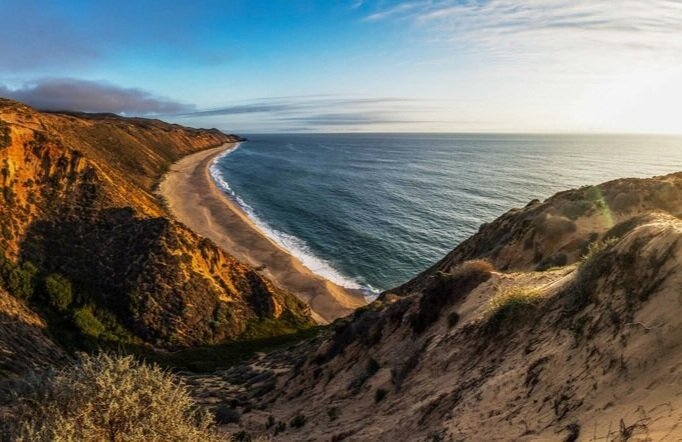
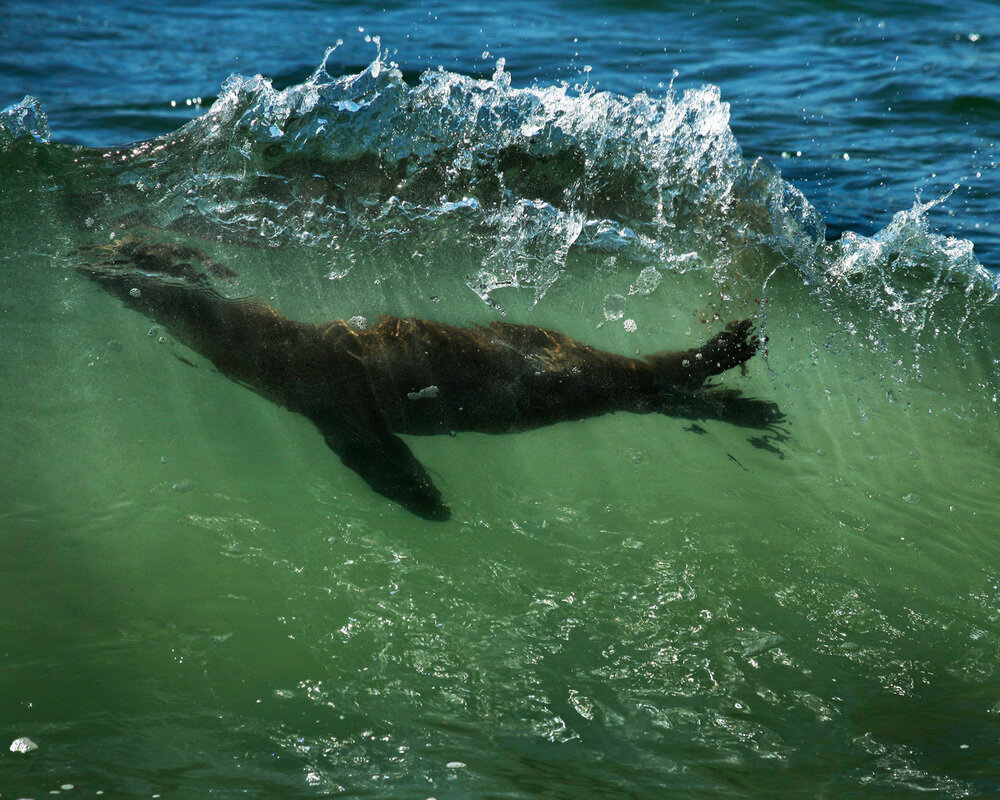
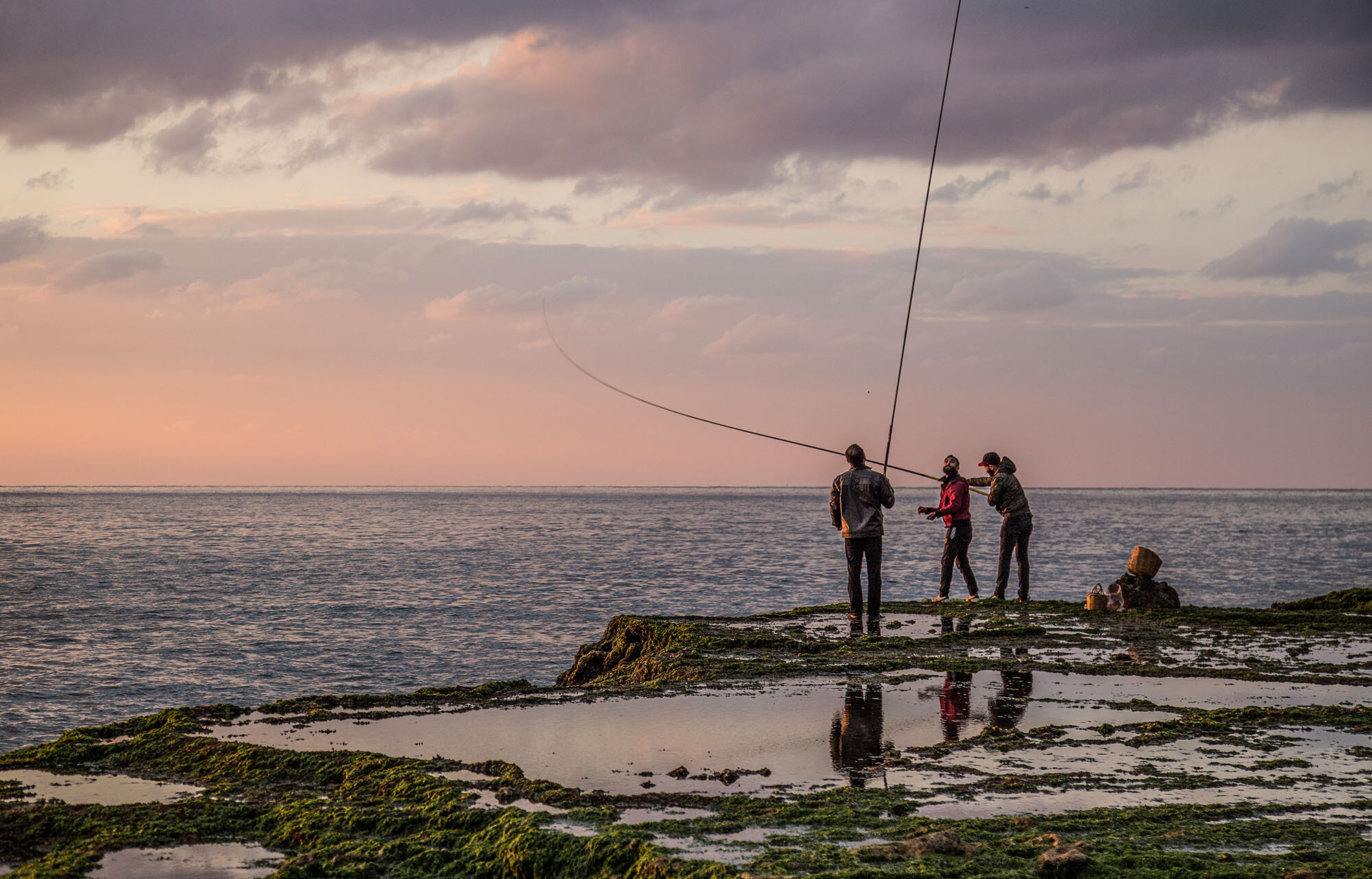
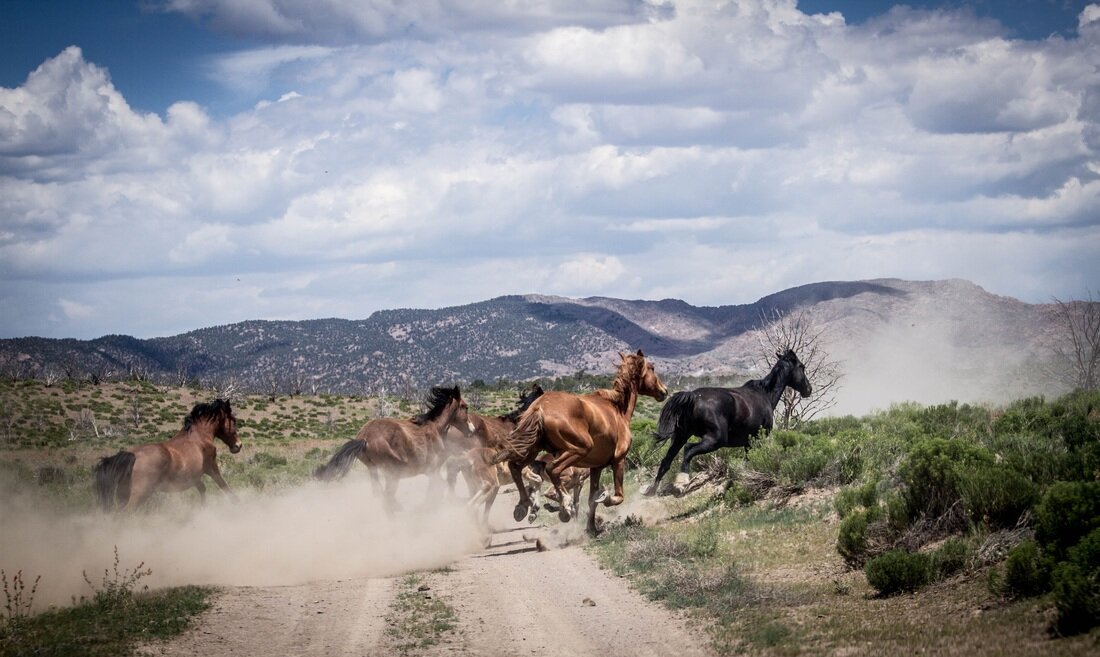
Snapshots of the people and places I cherish most.
.jpg)
.jpg)
.jpg)
.jpg)

.jpg)

.jpg)
-2.jpg)
-4.jpg)
.jpg)
.jpg)
.jpg)
.jpg)
.jpg)
.jpg)
.jpg)
.jpg)
.jpg)
.jpg)
.jpg)
.jpg)